Getting Dicey Trading Cards
Preamble
Every Monday night (NZ time) I’d settle in to watch a local Dungeons & Dragons crew on Twitch. The channel (Getting Dicey) had grown a real community over the years: regulars, subscribers, and people tuning in from all over.
At some point, the question came up: could we add something fun that viewers could participate in without needing to spend real money?
The Idea
Twitch already provides a few engagement mechanics, including Channel Points, which viewers earn simply by watching.
The concept we shaped was straightforward:
As a viewer, I want to spend channel points to unlock a random Getting Dicey trading card, so I can collect and view them.
That was enough to start turning “wouldn’t it be cool if…” into a plan.
Could I do it?
The first step was reading Twitch’s developer docs and understanding the shape of the problem:
- What an Extension can and can’t do client-side
- How authentication should work
- Where data can live
I also had to be honest about one constraint: I hadn’t written much code in a long time. So the goal became learning by building.
Presentation proof of concept
The PoC goals were mostly about front-end experience:
- Learn React well enough to ship something
- Display a collection cleanly
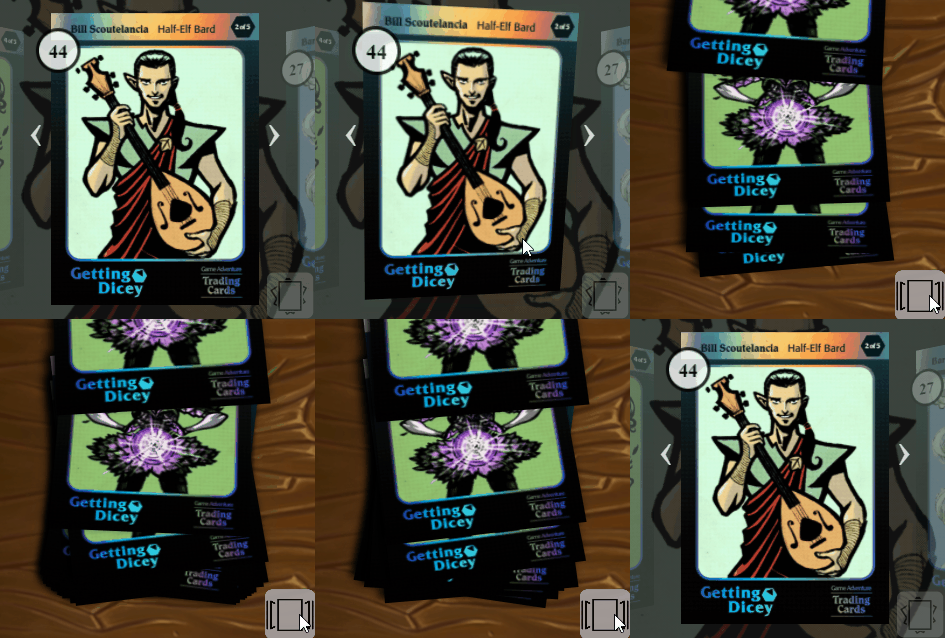
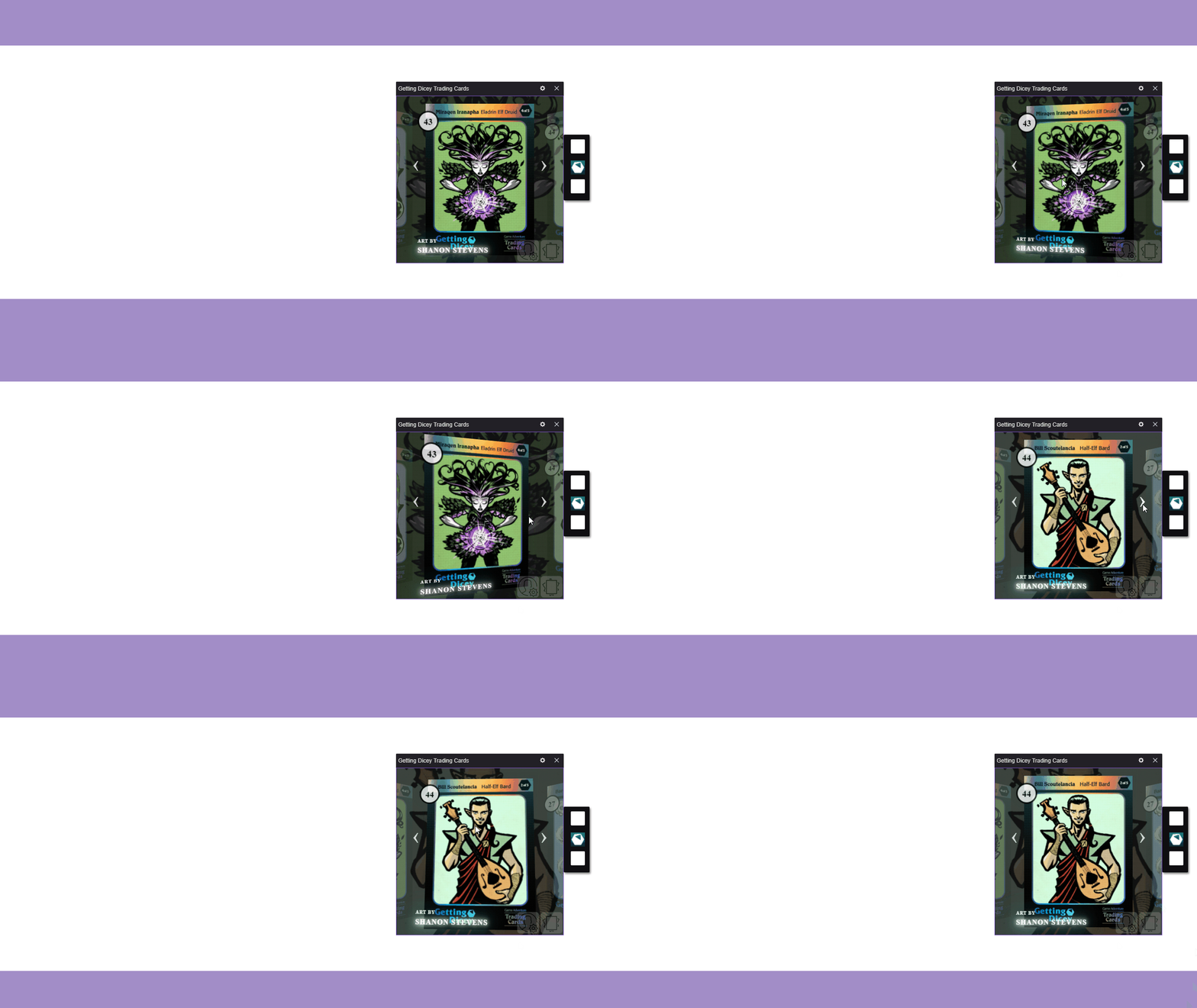
- Make cards feel satisfying to browse
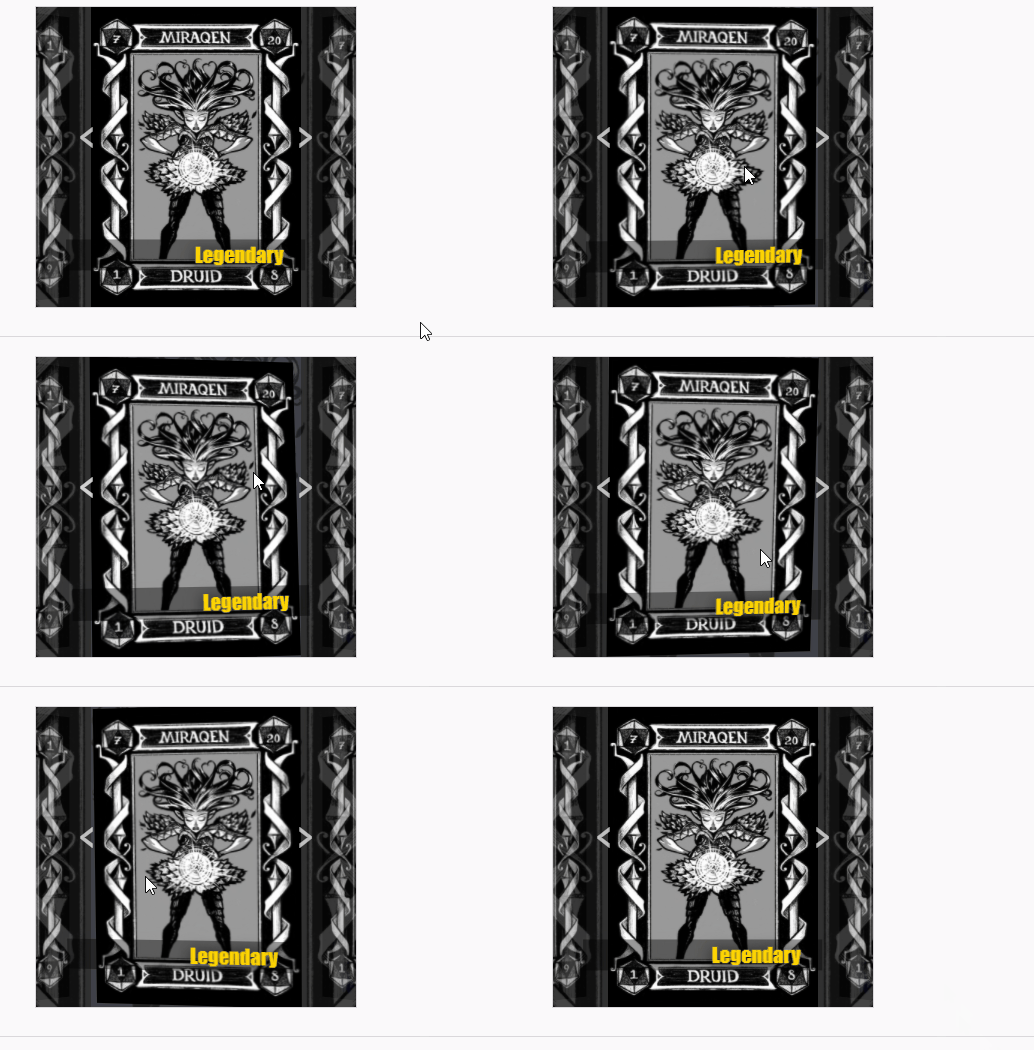
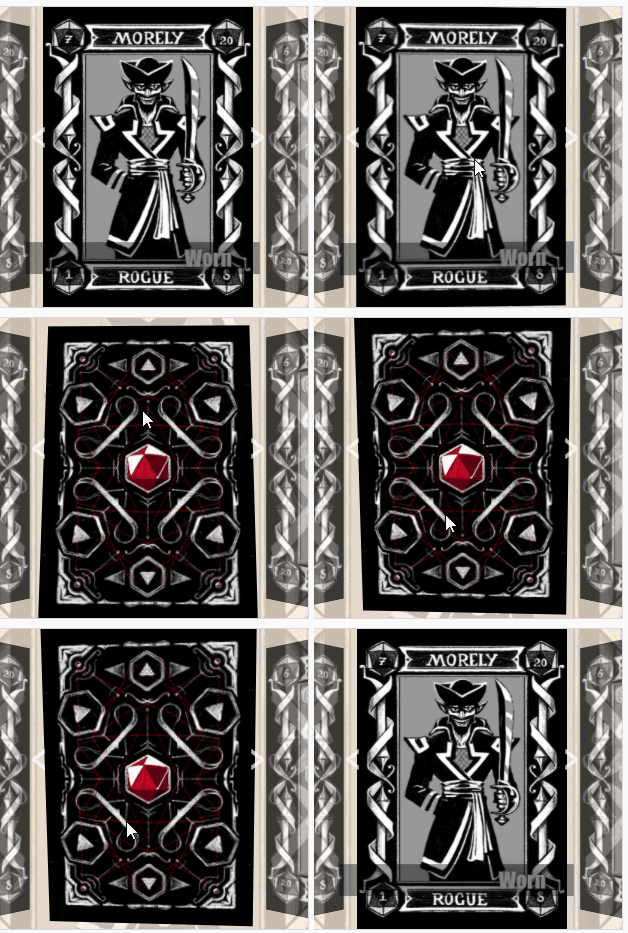
Some early PoC visuals:
PoC “tick”: data and the backend
Once the PoC existed, the next question was: where do we store collections, tokens, and viewer data?
Because Twitch Extensions don’t give you a traditional backend, I had to build an Extension Backend Service (EBS) myself. That meant:
- A hosted Node service
- JWT-based auth between Twitch and the EBS
- A database for persistence (MongoDB was the choice here)
Hosting-wise, Heroku made it easy to get something running quickly and iterate via Git.
Along the way I re-learned (or learned properly) the classics:
- Auth headers
fetch- CORS (so much CORS)
Twitch APIs and ComfyJS
For the Twitch integration piece, an open source helper library (ComfyJS) reduced a lot of the boilerplate. It also pushed an important architectural change: secrets and auth-sensitive logic should live server-side, not in a public extension bundle.
Moving logic into the EBS also resolved an unexpected behavior where viewers could trigger multiple unlocks if they had the stream open in multiple tabs.
Release v1: a few months after PoC
The first release was live and running:
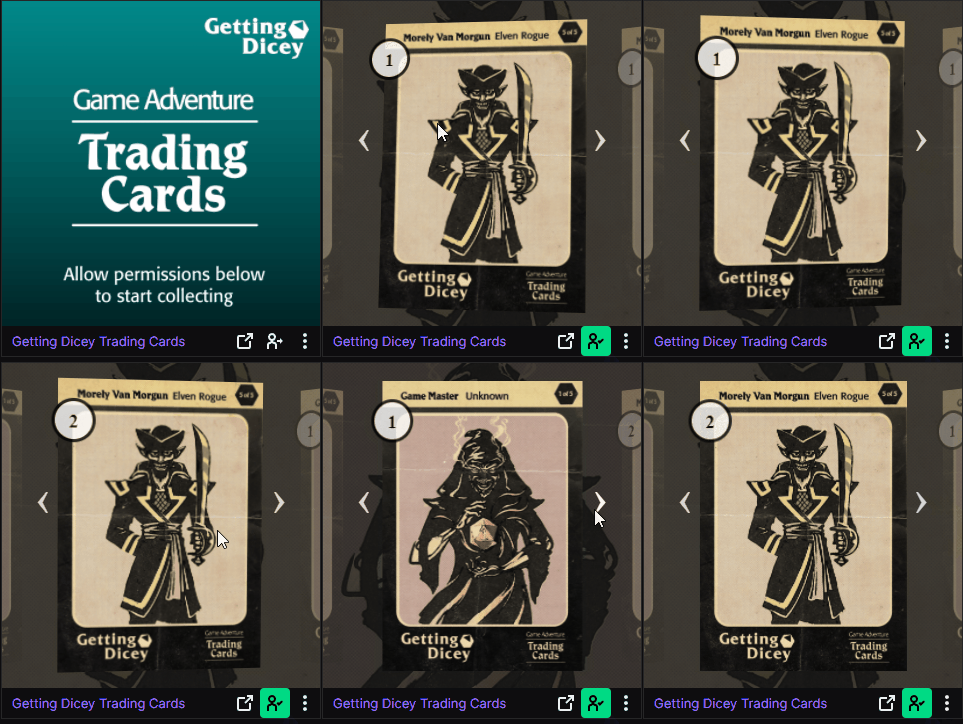
If you want to see the channel:
Release v2: continued improvements
Later work focused on polish and expanding the experience: